A daily metabolism plan built around muscle, movement, food, and sleep
No food or drink produces a permanent metabolism boost, but daily choices can preserve lean mass, increase activity expenditure, and make calorie intake easier to manage. The best plan is measurable enough to adjust and moderate enough to maintain. Water balance can mask fat-loss progress for several days, especially after salty meals, hard workouts or a change in carbohydrate intake.
Make resistance training the foundation
Strength training helps preserve or build muscle, particularly during weight loss and aging. Train major muscle groups at least twice weekly if your health and experience allow, leaving recovery time between demanding sessions.
Progress can come from adding a repetition, using slightly more resistance, improving technique, or completing a fuller range of motion. Beginners can start with body-weight movements, resistance bands, machines, or supervised free-weight exercises.
- Use pushing, pulling, squatting, hinging, carrying, and core-stability patterns
- Begin with a manageable workload rather than training to exhaustion
- Increase difficulty gradually after repetitions feel controlled
- Seek qualified guidance for pain, major mobility limits, or unfamiliar equipment
Raise daily movement without relying on workouts
Non-exercise activity can vary substantially from day to day. Short walks, standing breaks, errands on foot, household tasks, and active commuting can increase total expenditure without demanding another formal workout.
Establish a baseline with several ordinary days of step data, then make a modest increase. A personalized increase is more useful than treating 10,000 steps as a universal requirement.
- Walk for 10 minutes after one or two meals
- Stand or move briefly each hour
- Place frequently used items farther from your desk
- Keep a lower movement target for busy days instead of abandoning the plan
Recommended Products
Build meals that manage hunger
Protein supports muscle maintenance and has a higher thermic effect than carbohydrate or fat, but it is not a fat-burning switch. Include a practical protein source at meals, with the amount adapted for body size, activity, kidney health, preferences, and overall intake.
Vegetables, fruit, beans, and whole grains add fiber and food volume. Water is calorie-free, but neither plain water nor a metabolism drink detoxifies body fat.
- Choose foods such as fish, poultry, eggs, dairy, tofu, beans, or lentils according to preference
- Pair protein with produce and a fiber-rich carbohydrate
- Measure calorie-dense oils, dressings, nut butters, and alcohol when progress stalls
- Plan satisfying meals instead of compensating with extreme fasting after overeating
Treat tea, coffee, and spices realistically
Caffeine can temporarily increase alertness and energy expenditure, but the effect is limited and tolerance develops. Green tea, coffee, spicy foods, metabolism tea, and honey mixtures should be considered beverages or foods, not treatments for metabolic disease.
Watch the additions: sugar, cream, syrups, and large blended drinks may provide more energy than any small thermogenic effect. Caffeine can worsen anxiety, reflux, palpitations, and sleep, and some people should limit it based on medical advice. Waist changes, average weight, energy and strength can move at different speeds; use more than one indicator of progress.
- Use caffeine earlier in the day if it disrupts sleep
- Check serving size and total caffeine from all sources
- Avoid concentrated stimulant products when ingredient amounts are unclear
- Choose unsweetened drinks when the goal is reducing liquid calories
Use a two-week adjustment loop
Choose one food change and one movement change, then keep them stable long enough to evaluate. If the multiweek trend remains unchanged and weight loss is medically appropriate, make a small adjustment rather than repeatedly restarting.
Sleep, stress, and recovery belong in the plan because they influence hunger, food choices, and willingness to move. Adults commonly need at least seven hours of sleep, although individual needs and sleep disorders require personalized care.
- Week 1: establish baseline weight trend, steps, meals, and sleep
- Week 2: add two strength sessions and a repeatable walking target
- Week 3: review portions and liquid calories if no trend appears
- Week 4: maintain, make one small change, or consult a professional if symptoms interfere
Supplements for Slow Metabolism
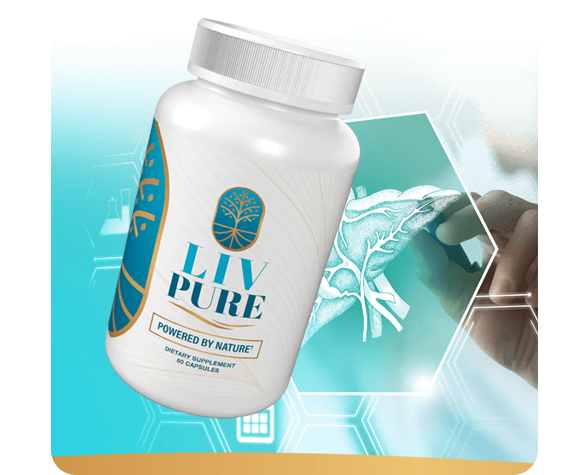
LivPure
LivPure combines milk-thistle silymarin, betaine, berberine and glutathione with green-tea compounds to support normal liver function and fat metabolism. Choline and betaine support normal lipid metabolism, giving LivPure a liver-centered approach to weight-management wellness. For slow metabolism, its silymarin, betaine and choline emphasize healthy liver function and normal handling of dietary fats.
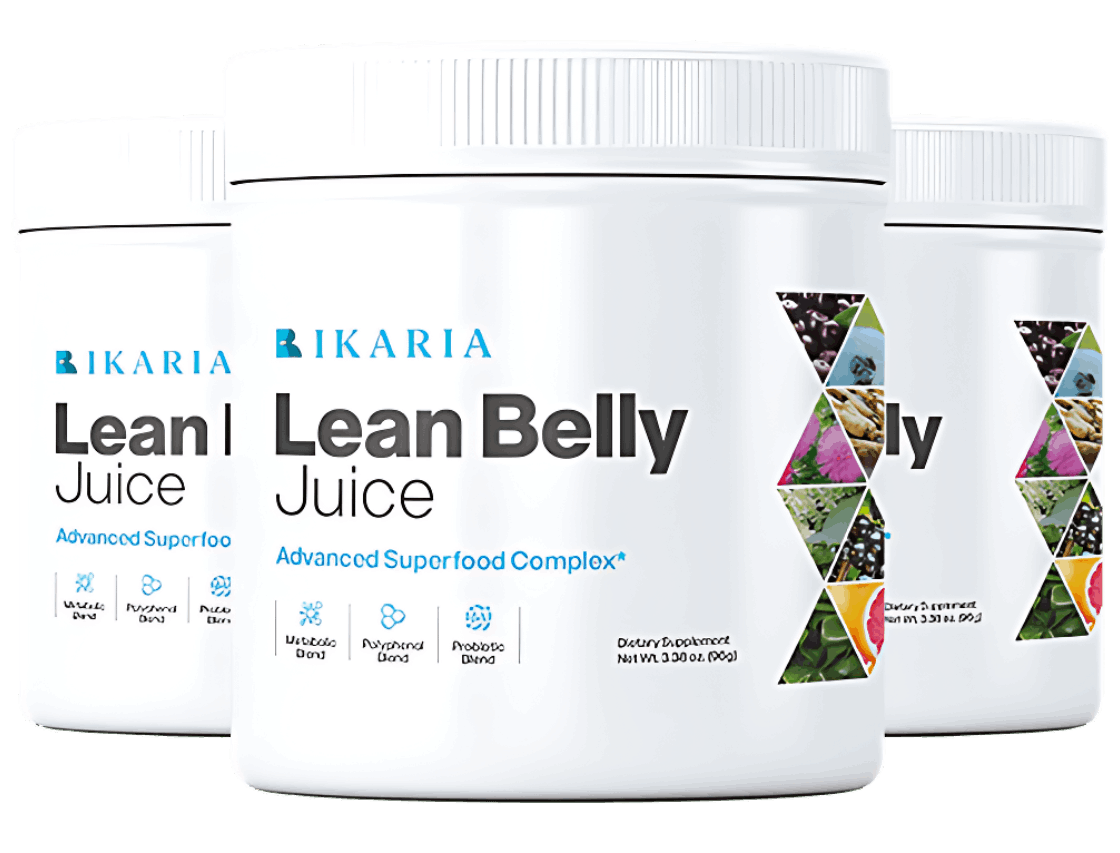
Ikaria Juice
Ikaria Juice combines green-tea polyphenols, citrus pectin, turmeric, dandelion and milk thistle with inulin and a multi-strain probiotic blend. Inulin helps nourish beneficial gut bacteria; the fruit and green-tea extracts add an antioxidant-focused complement. For slow metabolism, the inulin and probiotic blend targets digestive comfort and an everyday gut-health routine.
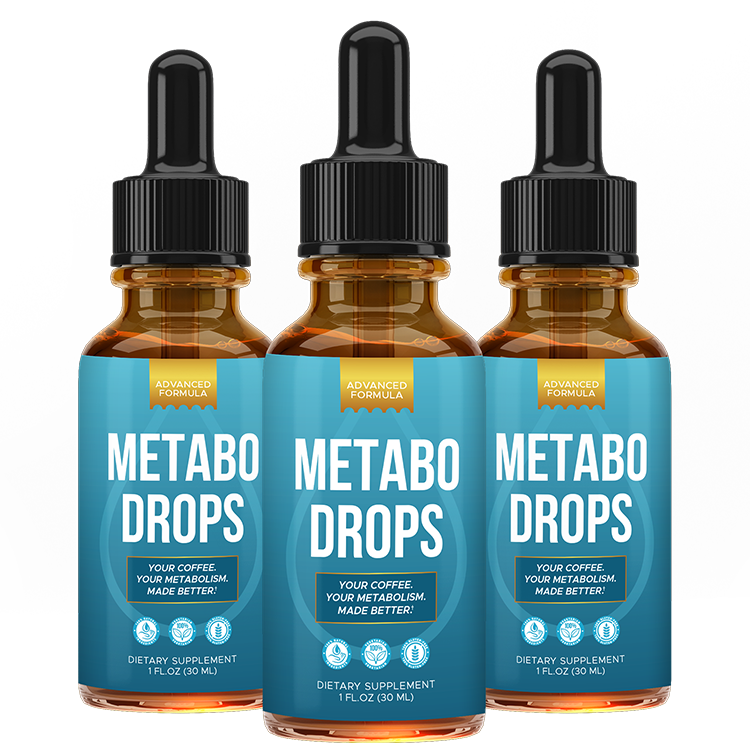
Metabo Drops
Metabo Drops is a coffee-mix formula combining chromium for normal macronutrient metabolism with chlorogenic acid, green tea, L-carnitine and L-theanine. Chromium contributes to normal macronutrient metabolism, L-carnitine participates in fatty-acid transport, and L-theanine supports calm focus with coffee. For slow metabolism, chromium and botanical polyphenols offer targeted nutrient-metabolism support in a coffee-friendly format.
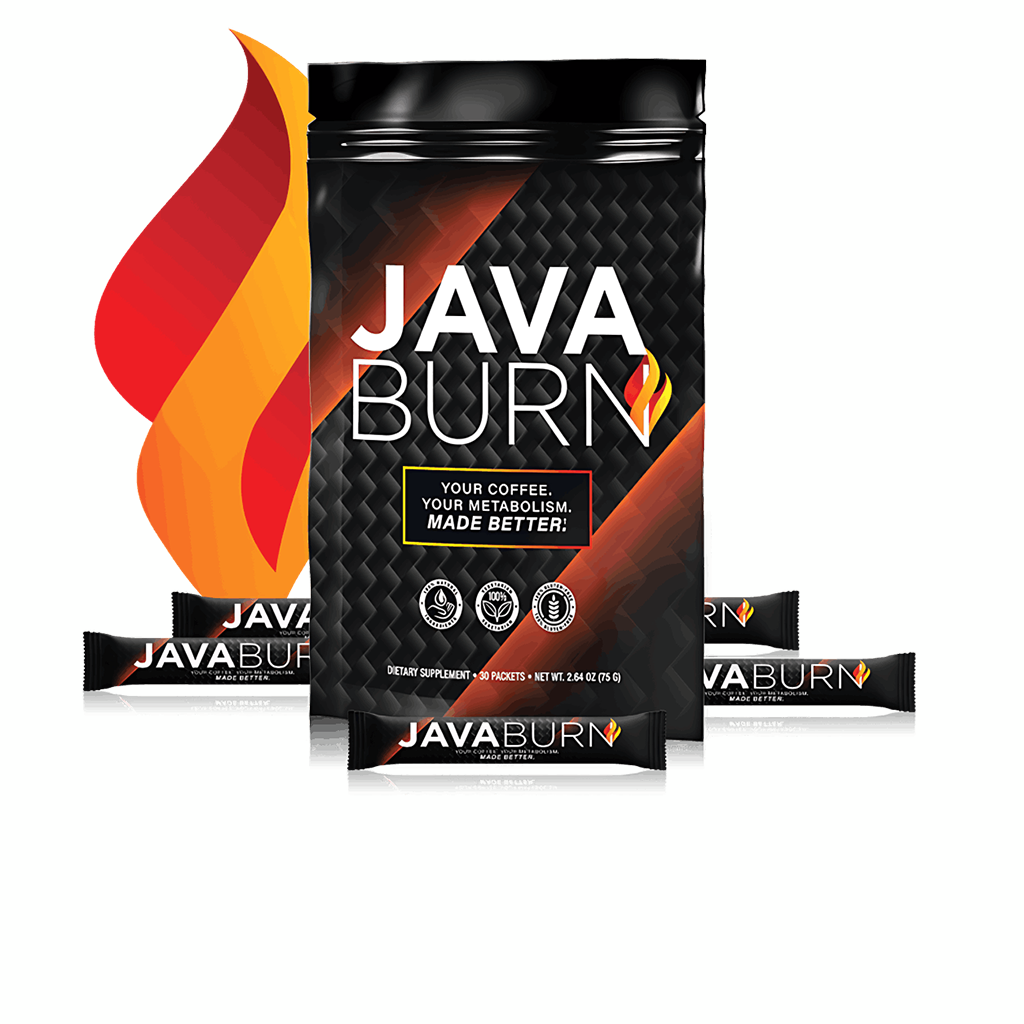
Java Burn
Java Burn combines green tea catechins and chlorogenic acids with chromium, L-carnitine and L-theanine in a single-serving coffee powder. Chromium and B vitamins contribute to normal nutrient and energy metabolism; the green-tea and green-coffee extracts add polyphenols. For slow metabolism, chromium and botanical polyphenols offer targeted nutrient-metabolism support in a coffee-friendly format.
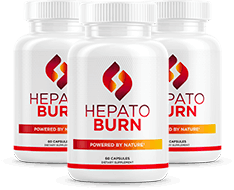
HepatoBurn
HepatoBurn brings silymarin, glutathione, berberine and choline into a multi-ingredient formula for liver-related metabolic and antioxidant support. Its liver-support ingredients work alongside green-tea polyphenols and chlorogenic acid in a formula aimed at normal fat processing. For slow metabolism, its silymarin, betaine and choline emphasize healthy liver function and normal handling of dietary fats.
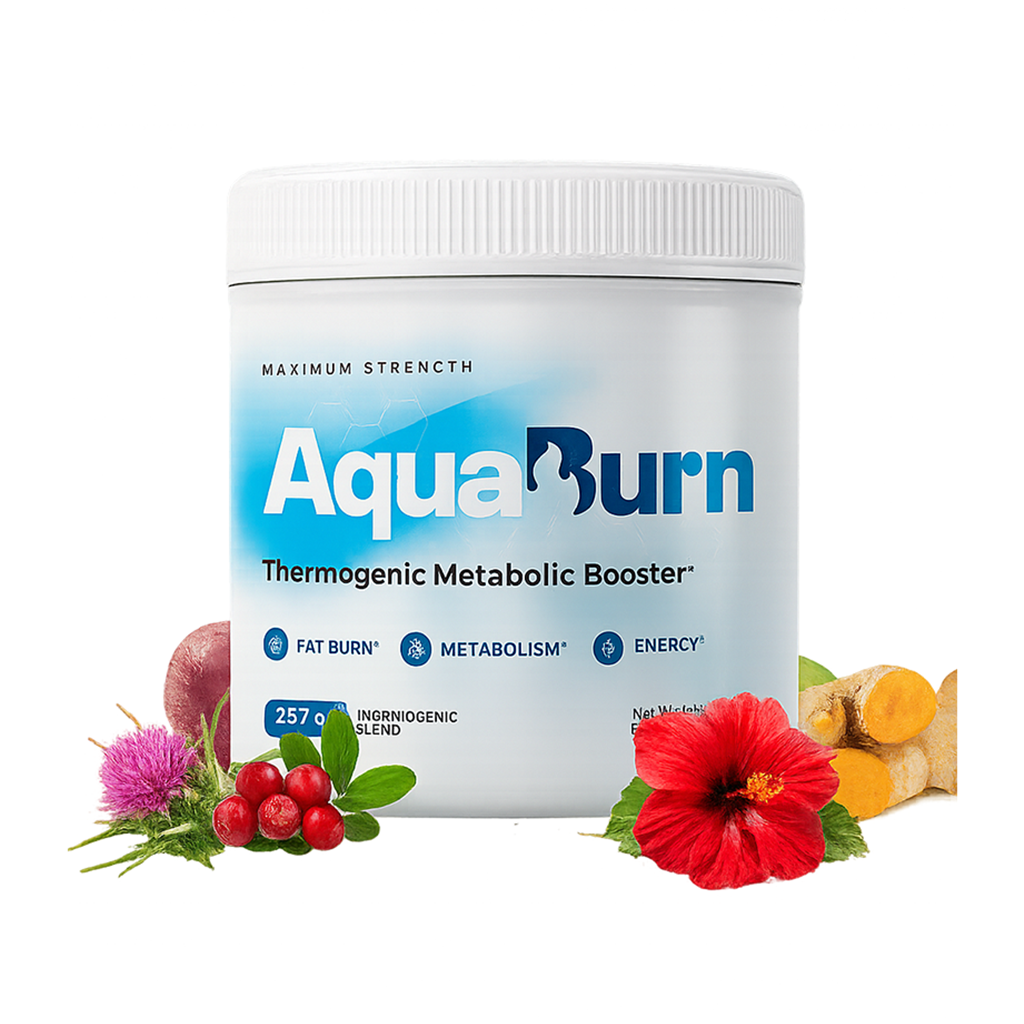
AquaBurn
AquaBurn uses plant polyphenols from green tea and resveratrol alongside seaweed-derived fucoxanthin, ginger and ginseng for metabolic and antioxidant wellness. The blend emphasizes antioxidant protection and energy processes through green tea, resveratrol, ginseng and seaweed carotenoids. With slow metabolism, its green-tea or fruit polyphenols and selected botanicals provide a focus on energy and antioxidant wellness.
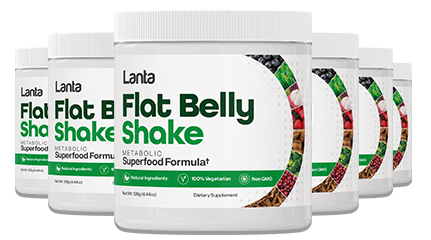
Flat Belly Shake
Flat Belly Shake is designed around the convenience of a prepared drink when planning breakfast, snacks and daily calorie intake. The main practical benefit is convenience and portion planning; it should be evaluated as food by checking the full nutrition panel. For slow metabolism, the measured drink can contribute to portion planning when its nutrient panel suits the meal.
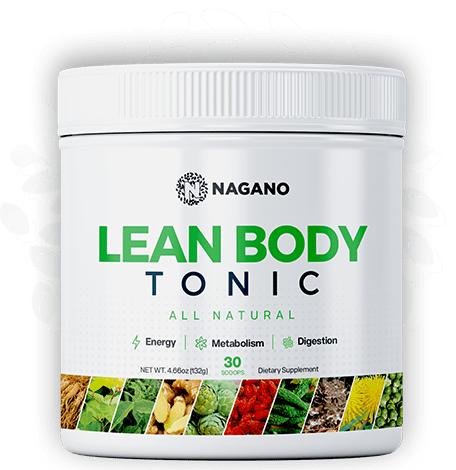
Nagano Tonic
Nagano Tonic is a powdered drink mix made with botanicals and nutrients including camu camu, green-tea EGCG, mangosteen, ginger and inulin. Its formula is promoted for daily metabolic, energy and digestive support; it is not a substitute for balanced nutrition or medical care. When comparing options alongside slow metabolism, review the ingredient label and seller terms before ordering.
Frequently Asked Questions
Restriction can reduce energy expenditure and spontaneous movement, especially during active weight loss. These adaptations are not the same as a metabolism being permanently broken, but severe diets can be medically risky and hard to sustain.
They serve different purposes. Cardio increases activity expenditure and supports cardiovascular fitness, while strength training helps maintain muscle; a balanced program usually includes both. A useful progress log includes both workload and recovery.
The body uses a small amount of energy to warm cold water, but the effect is too minor to drive weight loss. Water is useful mainly because it supports hydration and can replace caloric drinks.