How to investigate suspected slow metabolism without guessing
There is no single symptom or home test that confirms a slow metabolism. The useful question is whether weight or energy changes reflect normal adaptation, daily habits, medication effects, or a condition that needs treatment. Waist changes, average weight, energy and strength can move at different speeds; use more than one indicator of progress.
Symptoms that need context
Fatigue, feeling cold, constipation, difficulty concentrating, and weight gain can occur with an underactive thyroid, but they are not specific to it. Their timing, severity, associated symptoms, and relationship to medication or life changes help determine what should be tested.
Weight gain can also reflect fluid retention, changes in appetite, less movement, or increased calorie intake. Rapid swelling or shortness of breath should not be treated as an ordinary metabolism problem. Waist changes, average weight, energy and strength can move at different speeds; use more than one indicator of progress.
- Record when symptoms began and whether they are worsening
- Note changes in sleep, mood, menstrual cycles, bowel habits, and exercise tolerance
- List all prescriptions, supplements, and recent dose changes
- Document unintentional weight change and swelling
- Seek prompt care for rapid swelling, chest pain, fainting, or difficulty breathing
Common contributors clinicians consider
A clinician may consider thyroid disease, diabetes, anemia, sleep apnea, depression, menopause, chronic illness, and medication effects depending on the history. Certain medications can affect appetite, fluid retention, activity, or body weight without directly lowering resting metabolism.
Crash dieting is another possibility. Severe restriction can reduce spontaneous movement, training performance, and energy expenditure while increasing hunger, making the experience feel like metabolic damage.
- Recent weight loss or repeated restrictive diets
- Reduced activity after injury, illness, or a job change
- Loss of muscle with aging or prolonged inactivity
- Inadequate or disrupted sleep
- Prescription drugs associated with appetite or weight changes
Recommended Products
What thyroid testing can and cannot show
When thyroid disease is plausible, clinicians commonly begin with thyroid-stimulating hormone and may add free thyroxine or other tests based on the result and medical history. Testing should be interpreted with symptoms, pregnancy status, medications, acute illness, and prior thyroid treatment in mind.
Normal thyroid results do not mean symptoms are imaginary. They indicate that another explanation may be more likely and help guide the next stage of evaluation.
- Do not start thyroid hormone solely for weight loss
- Tell the clinician about biotin and other supplements because some can interfere with laboratory tests
- Use the laboratory's reference range and the treating clinician's interpretation
- Repeat testing only when clinically appropriate rather than chasing daily fluctuations
How metabolism is actually measured
Indirect calorimetry estimates resting energy expenditure by measuring oxygen use and carbon dioxide production. It is more individualized than an online equation, but preparation, equipment, recent food, caffeine, nicotine, activity, and illness can influence the reading.
Direct measurement is rarely necessary for routine weight management. A carefully reviewed weight trend, food pattern, activity level, and medical history usually provides more actionable information.
- Calculator results are population-based estimates
- Smartwatches can be useful for trends but may misestimate calories burned
- A single metabolic reading does not identify why expenditure is high or low
- Body-composition devices vary in accuracy and hydration sensitivity
Preparing for an appointment
Bring a concise timeline rather than only saying that your metabolism feels slow. Include weight changes, symptoms, eating patterns, activity, sleep, family history, and medication use.
Ask what diagnoses fit the complete pattern, which tests would change treatment, and what follow-up is needed. If you have a history of disordered eating, mention it so weight-management recommendations can be adapted safely.
- Two to four weeks of weight and symptom trends
- A complete medication and supplement list
- Relevant family history, including thyroid disease or diabetes
- Questions about sleep apnea if snoring or daytime sleepiness is present
- A request for referral when nutrition, endocrine, or eating-disorder expertise is needed
Supplements for Slow Metabolism

LivPure
LivPure uses two botanical-and-nutrient complexes: silymarin and betaine emphasize liver health, while green-tea polyphenols and choline support everyday nutrient processing. The blend emphasizes a healthy liver environment for processing fats and nutrients, with green-tea polyphenols contributing additional plant antioxidants. For slow metabolism, its silymarin, betaine and choline emphasize healthy liver function and normal handling of dietary fats.
Ikaria Juice
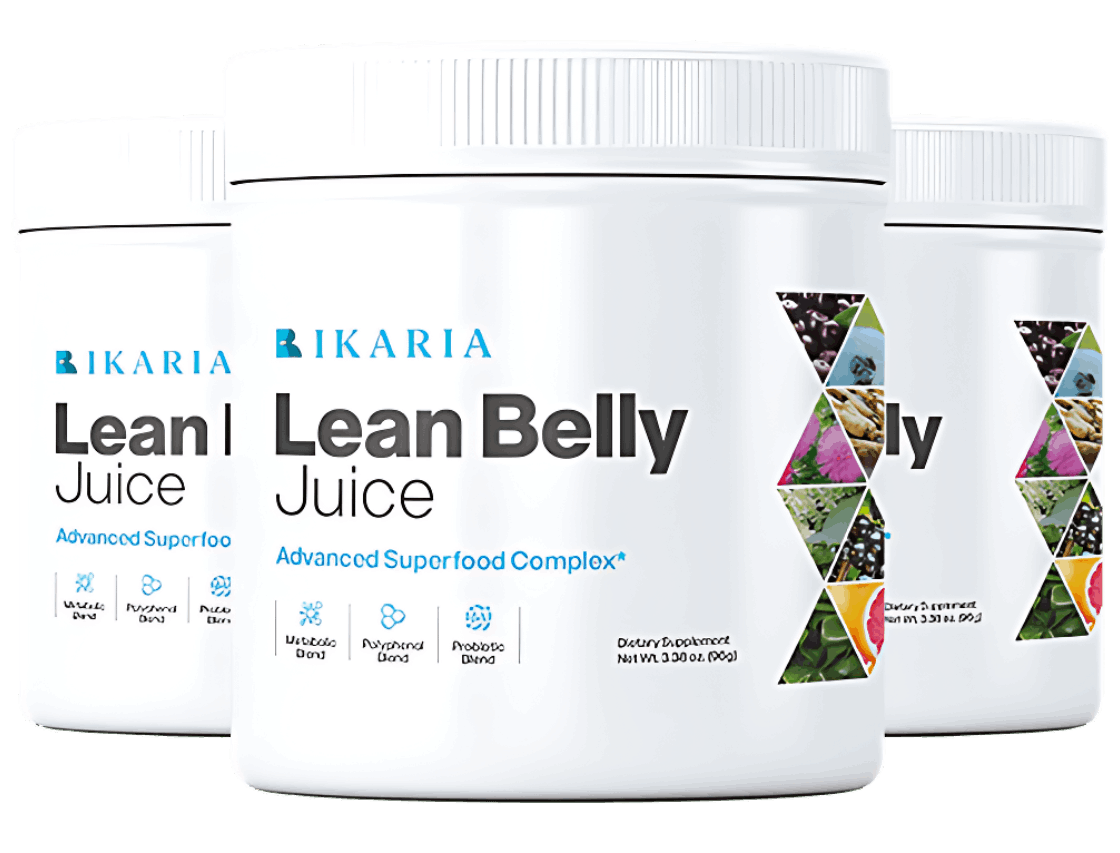
Ikaria Juice combines green-tea polyphenols, citrus pectin, turmeric, dandelion and milk thistle with inulin and a multi-strain probiotic blend. The combination of probiotic cultures, prebiotic fiber and botanical polyphenols targets gut comfort and everyday metabolic health. For slow metabolism, the inulin and probiotic blend targets digestive comfort and an everyday gut-health routine.
Metabo Drops
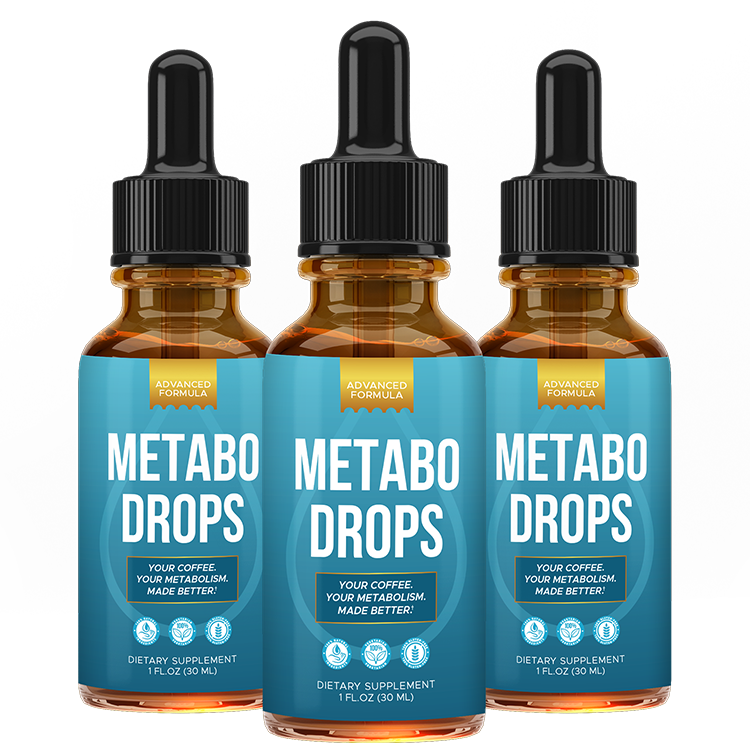
Metabo Drops is a coffee-mix formula combining chromium for normal macronutrient metabolism with chlorogenic acid, green tea, L-carnitine and L-theanine. The coffee-mix approach aims to support metabolic efficiency and steady daytime energy, with L-theanine helping balance alertness. For slow metabolism, chromium and botanical polyphenols offer targeted nutrient-metabolism support in a coffee-friendly format.
Java Burn
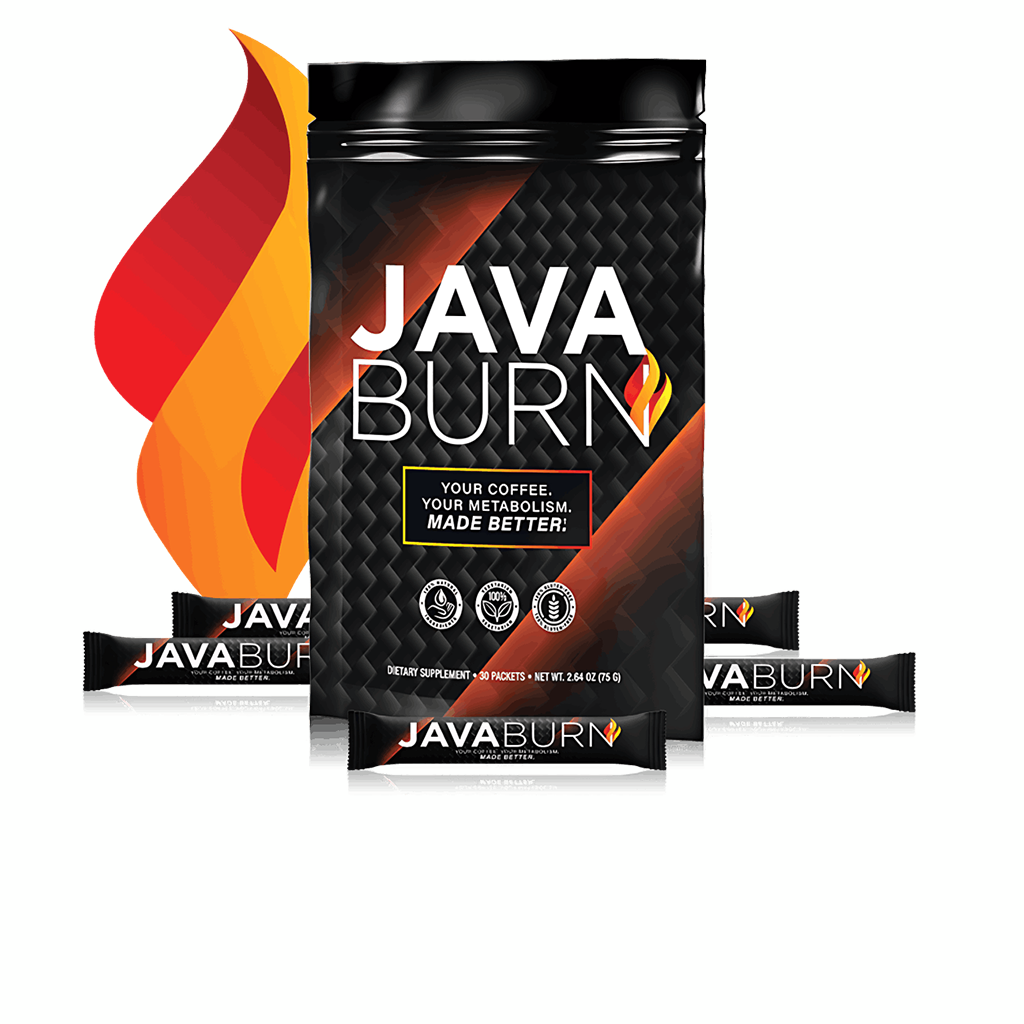
Java Burn mixes into hot or iced coffee and contains green-tea extract, green-coffee chlorogenic acids, L-carnitine, L-theanine, chromium and B vitamins. Chromium and B vitamins contribute to normal nutrient and energy metabolism; the green-tea and green-coffee extracts add polyphenols. For slow metabolism, chromium and botanical polyphenols offer targeted nutrient-metabolism support in a coffee-friendly format.

HepatoBurn
HepatoBurn brings silymarin, glutathione, berberine and choline into a multi-ingredient formula for liver-related metabolic and antioxidant support. The combination of liver-oriented nutrients and green-tea compounds is intended to support everyday metabolic energy and healthy fat handling. For slow metabolism, its silymarin, betaine and choline emphasize healthy liver function and normal handling of dietary fats.

AquaBurn
The AquaBurn botanical blend contains fucoxanthin, green tea, quercetin, resveratrol and turmeric, with ginger and ginseng contributing digestive and vitality support. Its botanical antioxidants include resveratrol, quercetin and turmeric, with Panax ginseng included for everyday vitality. With slow metabolism, its green-tea or fruit polyphenols and selected botanicals provide a focus on energy and antioxidant wellness.
Flat Belly Shake
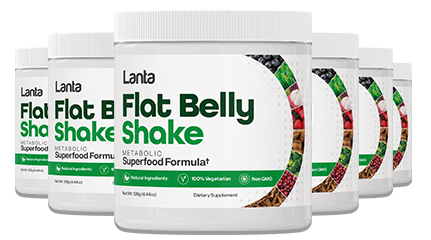
Flat Belly Shake is a powdered drink intended for a convenient, portion-conscious breakfast or snack routine. Its measured drink format is useful for setting a consistent portion, especially when breakfast is routinely skipped or replaced with unplanned snacks. For slow metabolism, the measured drink can contribute to portion planning when its nutrient panel suits the meal.

Nagano Tonic
Nagano Tonic is a powdered drink mix made with botanicals and nutrients including camu camu, green-tea EGCG, mangosteen, ginger and inulin. Its formula is promoted for daily metabolic, energy and digestive support; it is not a substitute for balanced nutrition or medical care. When comparing options alongside slow metabolism, review the ingredient label and seller terms before ordering.
Frequently Asked Questions
Routine blood tests can identify some conditions that affect weight or energy, but they do not directly measure calorie expenditure. Indirect calorimetry is the usual clinical method for estimating resting energy expenditure.
Yes, it can contribute, although the amount and mechanism vary and may include fluid retention. Appropriate thyroid treatment addresses hormone deficiency, but it is not a general-purpose weight-loss treatment.
Do not stop it on your own. Ask the prescriber whether the medication is a plausible contributor and whether dose changes or alternatives are medically appropriate. Confirm eligibility and side-effect monitoring with the prescriber.