Slow metabolism is more complicated than a sluggish calorie-burning engine
Metabolism includes all the chemical work that keeps you alive, while resting metabolic rate describes the energy used at rest. A genuinely low rate can affect weight management, but appetite, movement, sleep, medications, body composition, and food intake often matter just as much. A workable plan combines a modest calorie deficit with adequate protein and movement rather than chasing rapid day-to-day scale changes.
What people usually mean by slow metabolism
People commonly use the phrase after gaining weight, feeling tired, or reaching a weight-loss plateau. Those experiences do not prove that the body has stopped burning calories: even at rest, energy is continuously used by the brain, heart, liver, kidneys, muscles, and other tissues.
A smaller body generally requires less energy than a larger one. Muscle also uses more resting energy than fat tissue, although adding muscle does not create the dramatic calorie burn sometimes promised in advertising.
- Resting metabolism: energy required for basic functions while at rest
- Thermic effect of food: energy used to digest and process meals
- Physical activity: planned exercise plus walking, standing, chores, and fidgeting
- Adaptive thermogenesis: a modest reduction in energy expenditure during sustained calorie restriction or weight loss
Why calorie burn can change
Age-related muscle loss, prolonged dieting, reduced daily movement, poor sleep, and some health conditions can lower total energy expenditure. Men often have a higher resting rate on average because they tend to have more lean mass, but body size and composition are more useful than sex alone for estimating individual needs.
Online metabolism calculators provide starting estimates, not direct measurements. If body weight is stable over several weeks, average intake and expenditure are approximately balanced even when an app predicts otherwise.
- Body size and lean mass
- Age and hormonal status
- Daily movement outside formal workouts
- Calorie restriction and recent weight loss
- Illnesses or medications that alter appetite, fluid balance, or energy use
Supplements for Slow Metabolism

LivPure
LivPure brings together silymarin, berberine, betaine and choline in a formula aimed at liver wellness, energy metabolism and cellular antioxidant defense. Choline and betaine support normal lipid metabolism, giving LivPure a liver-centered approach to weight-management wellness. For slow metabolism, its silymarin, betaine and choline emphasize healthy liver function and normal handling of dietary fats.
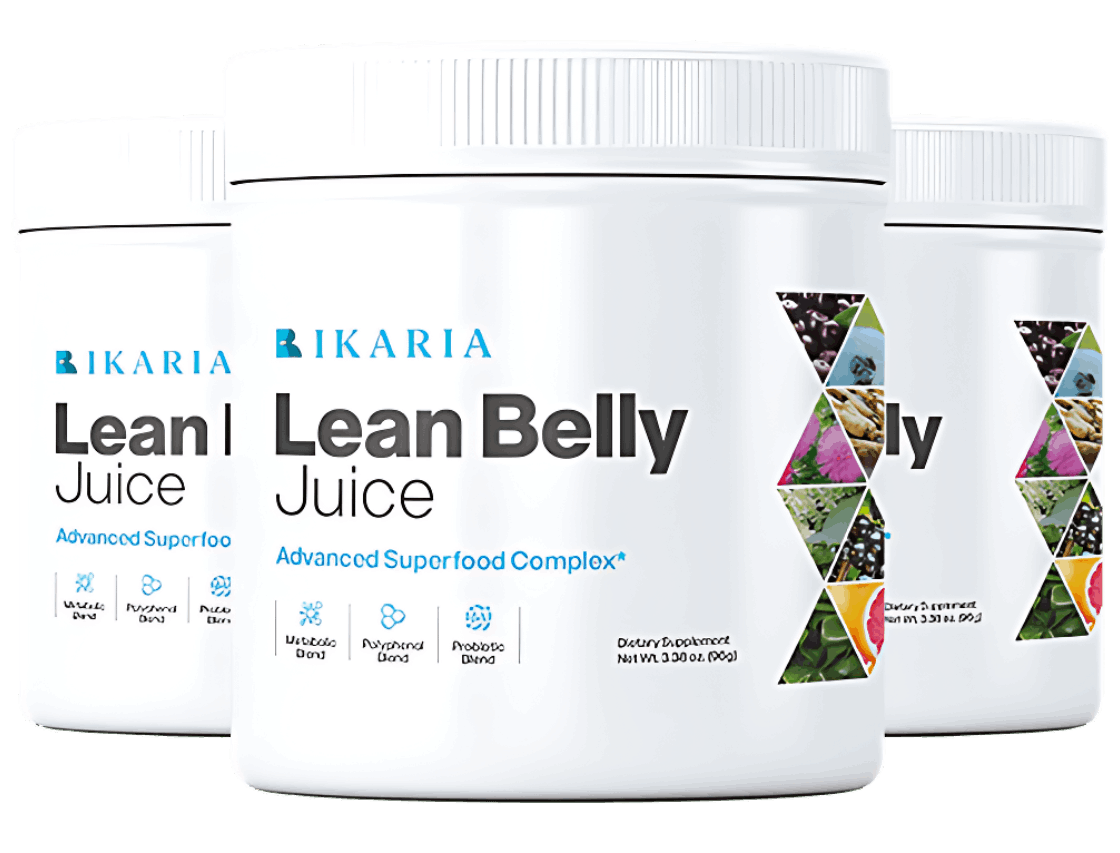
Ikaria Juice
Ikaria Juice combines green-tea polyphenols, citrus pectin, turmeric, dandelion and milk thistle with inulin and a multi-strain probiotic blend. Inulin helps nourish beneficial gut bacteria; the fruit and green-tea extracts add an antioxidant-focused complement. For slow metabolism, the inulin and probiotic blend targets digestive comfort and an everyday gut-health routine.
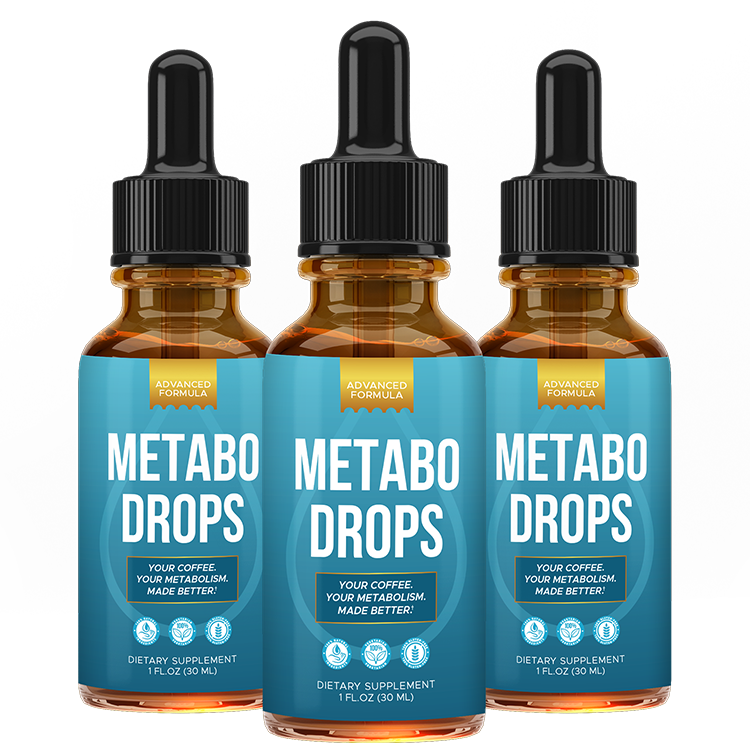
Metabo Drops
The Metabo Drops liquid blends green-tea compounds and coffee-derived chlorogenic acid with L-carnitine, chromium and calming-focus L-theanine. Green tea and chlorogenic acid supply plant polyphenols, while chromium and L-carnitine give the formula its nutrient-metabolism focus. For slow metabolism, chromium and botanical polyphenols offer targeted nutrient-metabolism support in a coffee-friendly format.
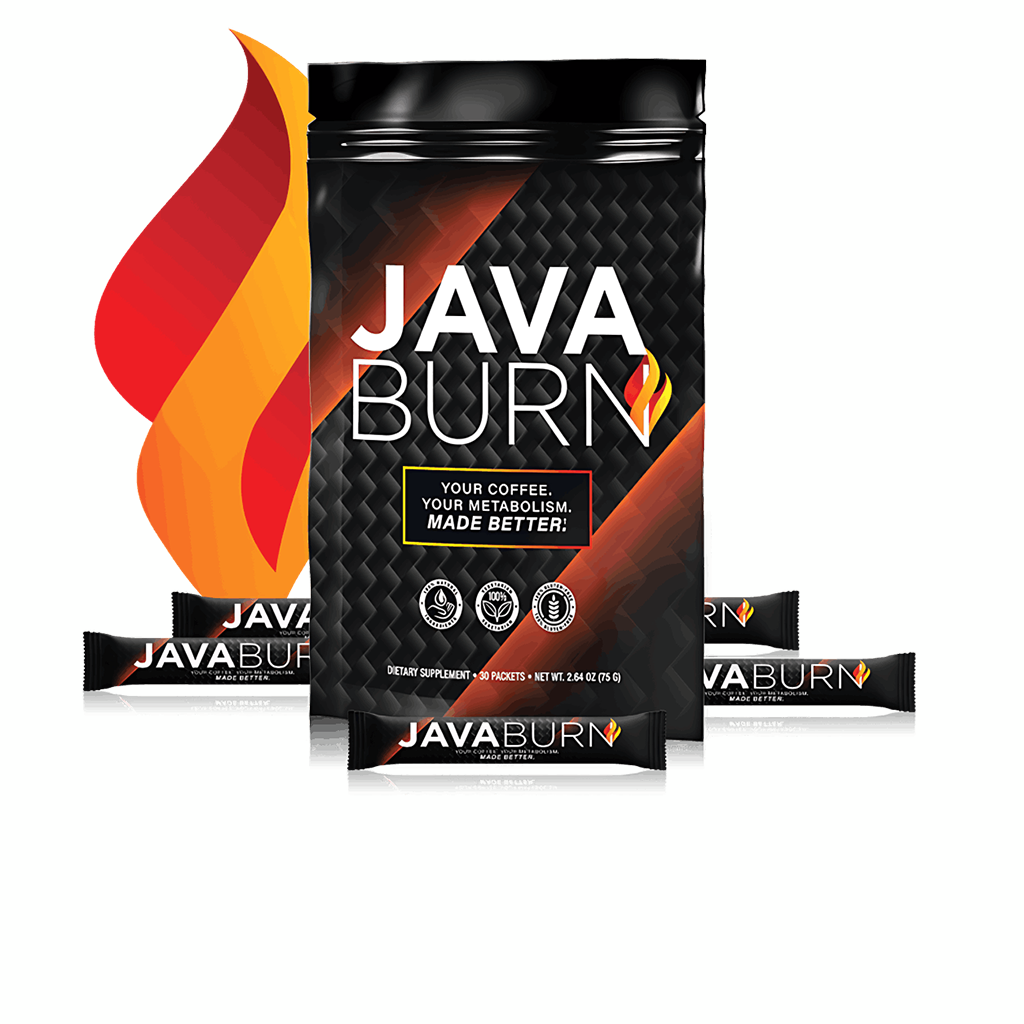
Java Burn
The Java Burn coffee formula brings together green tea, green coffee bean extract, chromium, L-carnitine and L-theanine to support everyday metabolic function and alertness. Green-tea catechins and green-coffee chlorogenic acids are its plant extracts, with chromium supporting normal carbohydrate, fat and protein metabolism. For slow metabolism, chromium and botanical polyphenols offer targeted nutrient-metabolism support in a coffee-friendly format.
HepatoBurn
HepatoBurn combines milk-thistle silymarin, betaine, berberine, choline and glutathione with green-tea and resveratrol antioxidants. Choline and betaine support normal liver lipid metabolism, while silymarin, glutathione and resveratrol add an antioxidant emphasis. For slow metabolism, its silymarin, betaine and choline emphasize healthy liver function and normal handling of dietary fats.

AquaBurn
AquaBurn uses plant polyphenols from green tea and resveratrol alongside seaweed-derived fucoxanthin, ginger and ginseng for metabolic and antioxidant wellness. Green-tea catechins and seaweed-derived fucoxanthin provide the formula’s thermogenesis-oriented angle, while ginger contributes digestive support. With slow metabolism, its green-tea or fruit polyphenols and selected botanicals provide a focus on energy and antioxidant wellness.
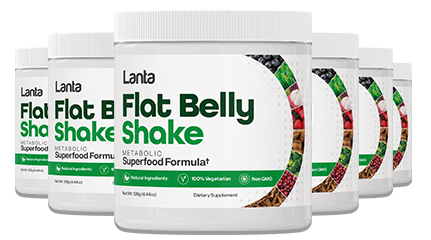
Flat Belly Shake
The Flat Belly Shake drink offers a measured powder serving rather than capsules, making it an option for people organizing daily meal portions. Its measured drink format is useful for setting a consistent portion, especially when breakfast is routinely skipped or replaced with unplanned snacks. For slow metabolism, the measured drink can contribute to portion planning when its nutrient panel suits the meal.
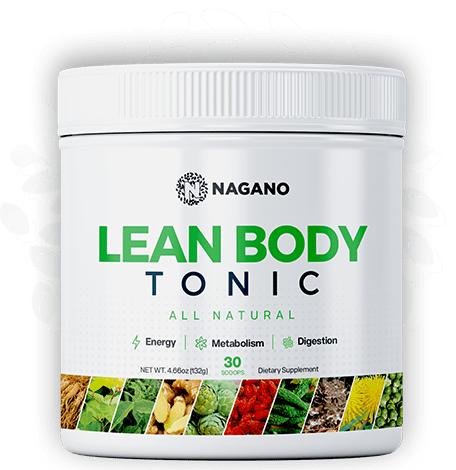
Nagano Tonic
Nagano Tonic is a powdered drink mix made with botanicals and nutrients including camu camu, green-tea EGCG, mangosteen, ginger and inulin. Its formula is promoted for daily metabolic, energy and digestive support; it is not a substitute for balanced nutrition or medical care. When comparing options alongside slow metabolism, review the ingredient label and seller terms before ordering.
A weight plateau is data, not failure
Early weight loss often includes water, while later progress is less linear. As weight decreases, the body needs fewer calories for movement and maintenance, and unnoticed reductions in activity can narrow the original calorie deficit.
Use two to four weeks of comparable measurements rather than reacting to one weigh-in. Track a weekly weight average, waist measurement, step count, and a simple food record; menstrual cycles, sodium, constipation, travel, and hard workouts can temporarily shift scale weight. A workable plan combines a modest calorie deficit with adequate protein and movement rather than chasing rapid day-to-day scale changes.
- Weigh under similar conditions if weighing is appropriate for you
- Look for a multiweek trend rather than daily changes
- Audit drinks, cooking oils, portions, and weekend eating without moral judgment
- Check whether steps or training volume have declined
- Avoid cutting intake aggressively in response to a brief stall
The highest-value next steps
Preserve muscle with resistance training, include filling protein and fiber-rich foods, and increase repeatable daily movement. These measures support weight management more reliably than detoxes, metabolism tea, honey mixtures, drops, or pills advertised as fat-melting shortcuts.
Seek medical evaluation when fatigue or weight change is persistent, unexplained, or accompanied by symptoms such as marked cold intolerance, constipation, menstrual changes, hair or skin changes, swelling, or muscle weakness. A clinician can assess the complete pattern rather than relying on a metabolism quiz.
- Choose a small, sustainable change before adding several interventions
- Review prescription and over-the-counter medications with a clinician or pharmacist
- Protect sleep and keep a consistent wake time
- Measure progress with health, strength, and waist trends as well as weight
Frequently Asked Questions
No. Metabolism continues as long as the body is alive. Energy expenditure can decrease because of weight loss, reduced movement, loss of lean mass, illness, or other factors, but it does not switch off.
Meal frequency has little effect on total daily calorie expenditure when total food intake is comparable. Choose a schedule that controls hunger, supports nutrition, and fits your medical needs.
No. Hypothyroidism is one possible cause, but symptoms overlap with sleep loss, anemia, depression, medication effects, menopause, and other conditions. Diagnosis requires clinical evaluation and appropriate laboratory testing.